

Renewable energy is energy that comes from natural sources. These sources never run out. Examples are sunlight, wind, and water. The future of renewable energy technology looks bright. It offers a cleaner way to power our world.
What is Renewable Energy?
Renewable energy comes from resources that are always available. Unlike coal or oil, these resources do not get used up. Some common types are:
- Solar power: Energy from the sun.
- Wind power: Energy from the wind.
- Hydropower: Energy from moving water.
- Geothermal energy: Energy from heat inside the Earth.
- Biomass: Energy from plants and organic material.
These energy sources help reduce pollution and fight climate change.
Why is Renewable Energy Important?
Fossil fuels like coal and oil cause pollution and harm the Earth. They also will run out one day. Renewable energy helps us use cleaner power. It does not make harmful gases. Using renewable energy can slow down climate change.
Also, renewable energy can help countries become more independent. They do not have to buy fuel from other places. This makes energy safer and more stable.

Credit: www.youtube.com
Current Renewable Energy Technologies
Today, we use many technologies to get energy from renewable sources. Here are some examples:
| Technology | How It Works | Common Use |
|---|---|---|
| Solar Panels (Solar PV) | Convert sunlight into electricity. | Homes, buildings, and solar farms. |
| Wind Turbines | Use wind to spin blades that create electricity. | Wind farms on land and offshore. |
| Hydropower Plants | Use flowing water to turn turbines and make power. | Dams and rivers. |
| Geothermal Plants | Use heat from inside Earth to produce steam and power. | Special locations with hot underground rocks. |
Future Trends in Renewable Energy Technology
The future holds many new ideas and improvements for renewable energy. These will make energy cleaner and cheaper. Let’s look at some important trends:
1. Advanced Solar Power
Solar panels will become more powerful and less costly. New materials like perovskite will help capture more sunlight. These materials are light and flexible. They can be used on windows and clothes too.
Solar power will be easier to install everywhere. This means more people can use it.
2. Bigger And Better Wind Turbines
Wind turbines are getting larger. Bigger blades catch more wind. Offshore wind farms, built in the sea, will grow. They can capture strong and steady winds. This means more energy is made.
New designs also reduce noise and harm to birds.
3. Energy Storage Systems
One big challenge is storing energy. The sun and wind do not always shine or blow. Batteries will get better and cheaper. They can save energy for when it is needed.
New types of batteries, like solid-state batteries, will last longer and be safer.
4. Green Hydrogen
Hydrogen can store energy and be used as fuel. Green hydrogen is made using renewable energy. It can power cars, factories, and even airplanes. This technology is growing fast and might change many industries.
5. Smart Grids And Decentralized Energy
Future energy systems will be smart. They will use computers to manage power flow. This helps balance supply and demand. Decentralized energy means power is made close to where it is used. This reduces losses and makes the system stronger.
6. More Use Of Geothermal And Ocean Energy
Geothermal energy is expected to grow. It provides steady power day and night. Ocean energy, such as tidal and wave power, is also being developed. These sources add to the mix of clean energy.
Benefits of Future Renewable Energy Technologies
Using new renewable energy technologies brings many benefits:
- Cleaner air: Less smoke and pollution.
- Lower carbon emissions: Helps fight climate change.
- Energy security: Less dependence on imported fuels.
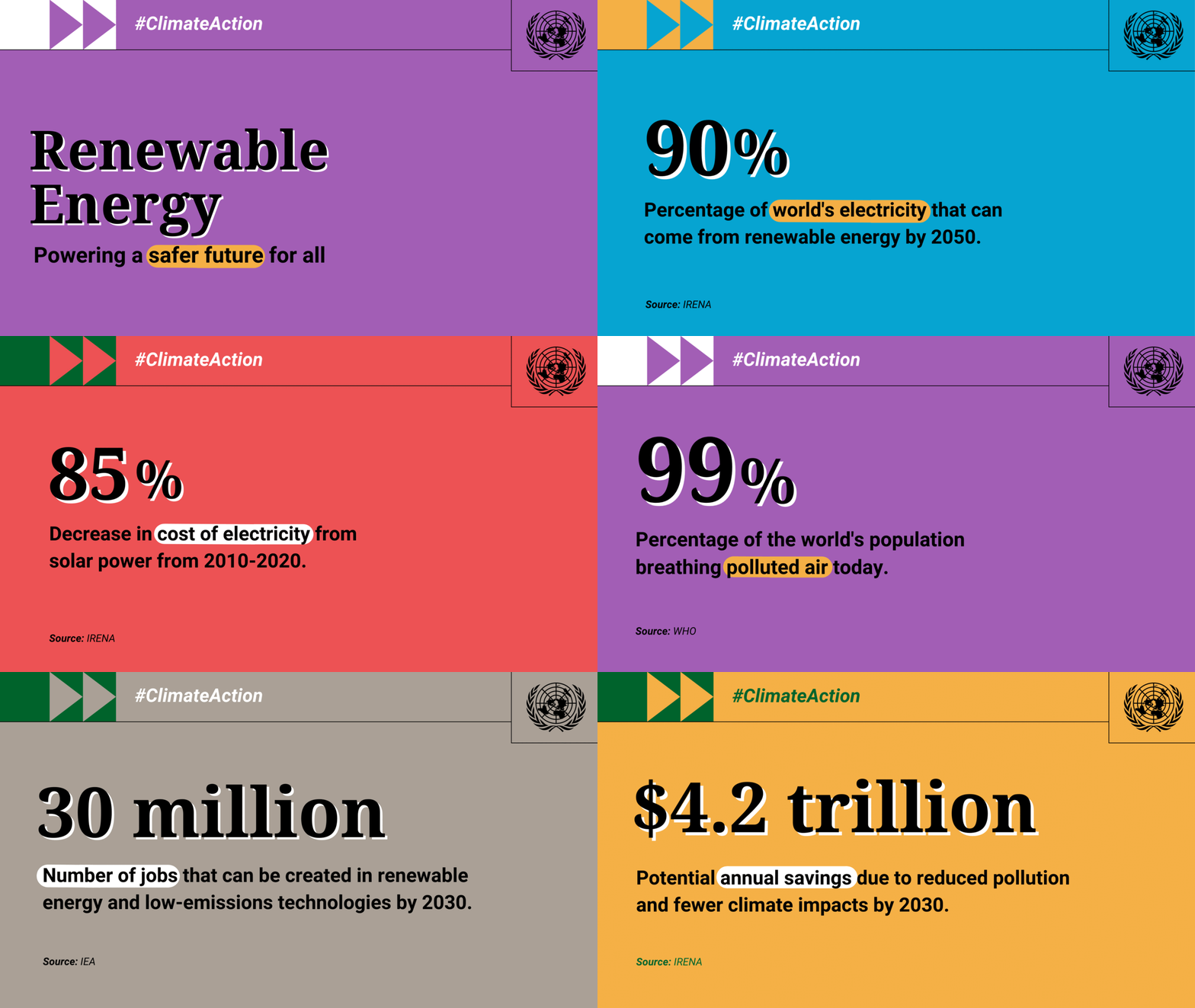
- Job creation: New industries and work opportunities.
- Cost savings: Renewable energy costs keep falling.
Challenges to Overcome
Despite the benefits, some challenges remain:
- Intermittency: Sun and wind are not always available.
- Energy storage: Need better and cheaper batteries.
- Infrastructure: Power grids need upgrades.
- Costs: Some technologies still expensive to build.
- Land use: Large solar and wind farms need space.
Researchers and companies are working hard to solve these problems.
Credit: www.un.org
How Will Renewable Energy Shape Our Future?
Renewable energy will be the main power source soon. Fossil fuels will be used less and less. This change will help protect the planet. It will also create new ways to use energy.
Homes might produce their own energy. Cars will run on clean electricity or hydrogen. Cities will be greener and quieter. People will live healthier lives.
Renewable Energy and Climate Goals
Countries worldwide have set goals to reduce pollution. Renewable energy is key to meet these goals. Using more solar, wind, and other clean sources lowers carbon emissions. This helps keep the Earth safe for future generations.
Frequently Asked Questions
What Is The Future Of Renewable Energy Technology?
Renewable energy technology will grow with better solar, wind, and storage solutions. It aims to be cheaper, cleaner, and more reliable worldwide.
How Will Solar Power Evolve In Coming Years?
Solar panels will become more efficient and affordable. New materials will help capture more sunlight even on cloudy days.
Why Is Wind Energy Important For The Future?
Wind energy is clean and abundant. It can generate large amounts of power with little impact on the environment.
What Role Does Battery Storage Play In Renewable Energy?
Battery storage helps save energy for use when the sun isn’t shining or wind isn’t blowing. This makes renewable power more stable.
Conclusion
The future of renewable energy technology is full of promise. Innovations in solar, wind, storage, and hydrogen will continue to grow. These technologies will help us build a cleaner, safer, and more sustainable world.
Everyone can play a part. Choosing renewable energy helps protect the planet. It also supports new jobs and better health. The future is bright with renewable energy.