

Robots are becoming more common in hospitals and clinics. They help doctors, nurses, and patients in many ways. This article explains how robotics is used in healthcare. We will see different examples and how they improve care for people.
What Are Healthcare Robots?
Healthcare robots are machines that can do medical tasks. They use computers and sensors to work. Some robots help doctors during surgery. Others deliver medicines or clean hospital rooms. These robots make work easier and safer.
Robots in Surgery
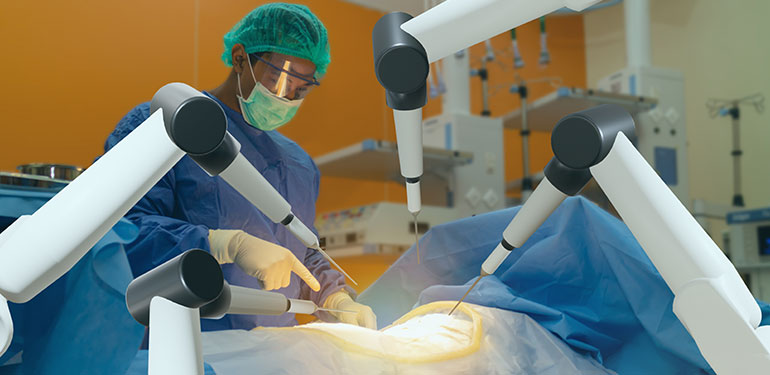
One important use of robots is in surgery. Surgeons use robotic arms to perform operations. The robot helps by making small, precise movements. This can reduce pain and healing time for patients.
For example, in laparoscopic surgery, a robot makes tiny cuts instead of big ones. The surgeon controls the robot from a computer console. The robot shows a 3D view of the area to the surgeon. This helps the surgeon see better and work more carefully.
Benefits Of Robots In Surgery
- Less pain after surgery
- Smaller cuts and scars
- Shorter hospital stays
- Faster recovery
Robots in Medicine Delivery
Robots also help with giving medicines to patients. In big hospitals, many patients need different medicines. Robots can find, carry, and deliver these medicines safely. This saves time for nurses and reduces mistakes.
For example, some robots move through hospital halls with medicine carts. They deliver the right medicine to the right patient. Nurses then check and give the medicine. This way, nurses spend more time caring for patients.

Credit: www.expresshealthcare.in
Robots for Cleaning and Safety
Hospitals must keep rooms clean to stop infections. Robots can clean patient rooms by themselves. They use special lights or sprays to kill germs. This helps keep patients safe and healthy.
Cleaning robots work at night or when rooms are empty. They clean faster and reach places hard for people to clean. This reduces the risk of spreading disease in hospitals.
Robots Helping Patients
Some robots help patients directly. These robots can talk, listen, and guide patients or visitors. They provide information and help people find their way in large hospitals.
Social robots can also keep patients company. They help reduce feelings of loneliness. Especially for older patients, this support can improve well-being and mood.
Robots in Rehabilitation
After injuries or surgeries, patients need therapy to get better. Robots help patients do exercises for rehabilitation. They support movement and monitor progress.
For example, robotic arms or legs help patients walk or move joints. They give the right amount of help so the patient can improve strength and skill.
Advantages Of Robotic Rehabilitation
- Personalized therapy
- More accurate movements
- Motivates patients to practice
- Tracks progress easily
Robots in Imaging and Diagnosis
Robots assist in imaging tests like X-rays, MRIs, and CT scans. They help position patients correctly. This ensures clear pictures for doctors to see problems.
Robots can also help diagnose diseases. They analyze images or data quickly. This helps doctors find problems early and plan treatment.
Robots in Pharmacy Automation
Pharmacies in hospitals use robots to count and pack medicines. This reduces errors and saves time. The robots can work 24 hours without fatigue.
This helps pharmacies manage large numbers of prescriptions efficiently. Patients get their medicines faster and safely.
Examples of Healthcare Robots
| Robot Type | Use in Healthcare | Benefits |
|---|---|---|
| Surgical Robots | Assist in surgeries with precision | Less pain, smaller cuts, faster recovery |
| Medicine Delivery Robots | Deliver medicines to patients | Saves nurse time, reduces errors |
| Cleaning Robots | Clean hospital rooms and kill germs | Improves safety, reduces infections |
| Social Robots | Help patients and visitors with information | Improves patient mood and support |
| Rehabilitation Robots | Assist in patient therapy and exercises | Personalized help, tracks progress |
| Pharmacy Robots | Count and pack medicines | Faster service, fewer mistakes |
Credit: www.mccormick.northwestern.edu
Why Use Robots in Healthcare?
Healthcare robots bring many benefits. They help doctors and nurses do their jobs better. Robots can work for long hours without getting tired. They do tasks with great care and accuracy.
Robots also reduce the risk of infection. They can clean rooms thoroughly. In surgery, robots make precise movements that humans may find hard. This means safer treatment for patients.
Robots help hospitals run smoothly. They speed up medicine delivery and record keeping. This gives healthcare workers more time to focus on patients.
Challenges and Care
Robots need careful programming and maintenance. They must be safe and reliable for patients. Training is important so healthcare workers can use robots well.
Robots do not replace doctors or nurses. They support and assist them. Human care and judgment remain very important in medicine.
The Future of Robotics in Healthcare
Robotics will play a bigger role in healthcare. New robots may do more complex tasks. Artificial intelligence will help robots learn and improve.
We might see robots helping in more places, like homes and clinics. They may support people with disabilities or chronic illnesses.
As technology grows, robots will help make healthcare better and safer for all.
Summary
Robots are used in many parts of healthcare. They help in surgery, medicine delivery, cleaning, and patient support. Robots assist in therapy and diagnosis too. They make care safer and faster.
Robots work with doctors and nurses, not replace them. Their role will grow as technology improves. Robotics is an important part of healthcare today and tomorrow.
Frequently Asked Questions
How Are Robotics Used In Healthcare?
Robotics in healthcare assist in surgeries, medication delivery, patient rehabilitation, and room sanitation. They enhance precision, efficiency, and patient safety.
What Are Examples Of Robots In Medicine?
Examples of robots in medicine include surgical robots for minimally invasive surgery, rehabilitation robots, pharmacy automation robots, imaging robots, and patient-assistance robots. These robots enhance precision, speed, and patient care across various medical fields.
Where Are Robots And Ai Being Used In Healthcare?
Robots and AI assist in surgeries, patient care, medication delivery, rehabilitation, diagnostics, imaging, and hospital automation. They enhance precision, efficiency, and safety.
How Do Robots Assist In Surgeries?
Robots help surgeons perform precise and minimally invasive operations. They offer better control and a clearer view of the surgical area.