

The Internet of Things, or IoT, is all around us. It connects many devices to the internet. This helps them work smarter and easier. You might use IoT every day and not even notice it. This article will explain many simple IoT examples you see daily.
What is the Internet of Things?
IoT means things that connect to the internet. These things share information with each other. This helps automate tasks and make life easier. IoT devices collect data and send it to other devices or the cloud. Then, they use this data to act or give information to users.
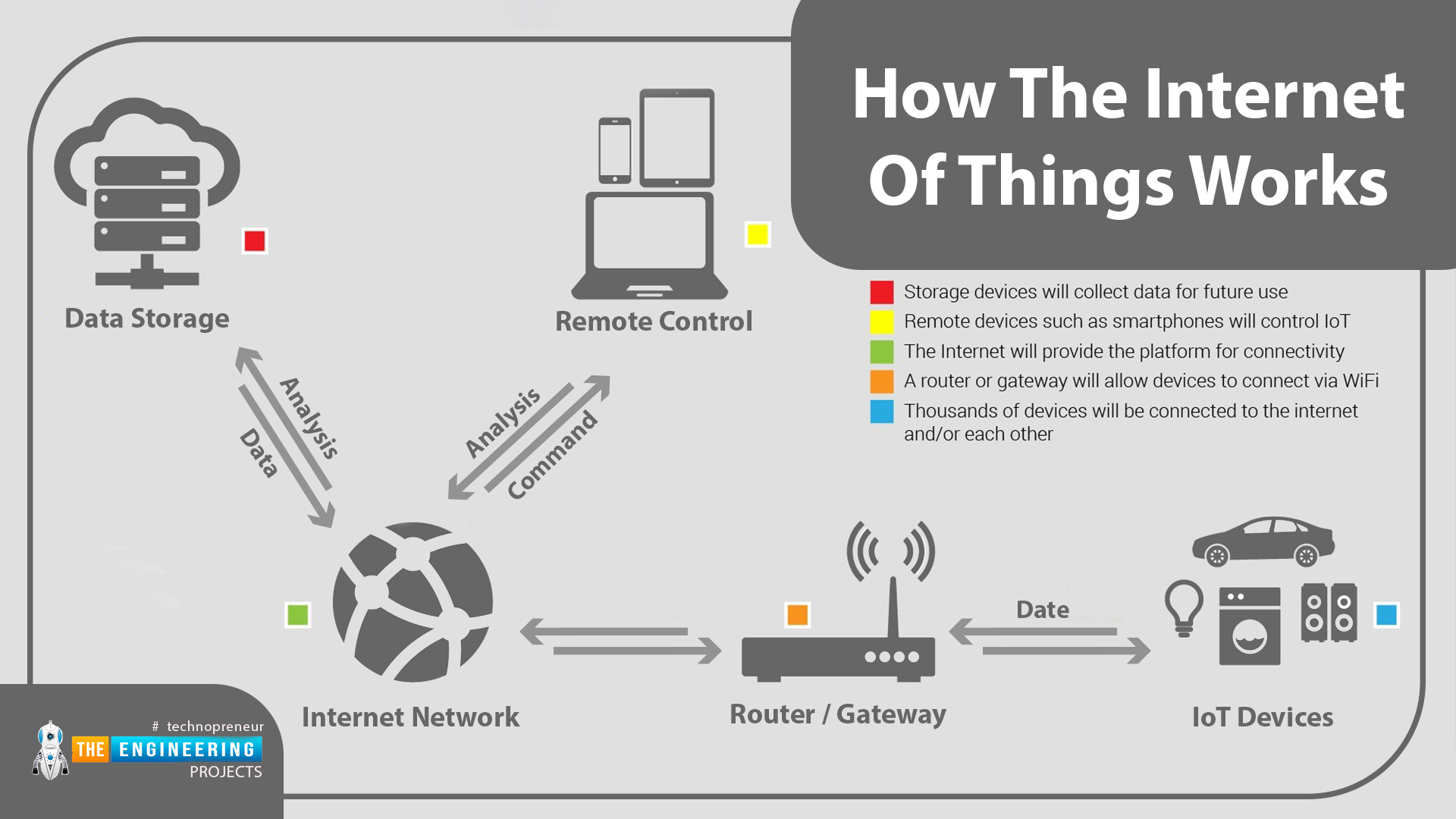
Credit: www.theengineeringprojects.com
IoT in Your Home (Smart Home)
Many homes use IoT devices. These devices help with comfort, safety, and saving energy.
- Smart Thermostats: Devices like Nest learn when you like the temperature. They adjust heating or cooling to save energy and keep you comfortable.
- Smart Lighting: You can control lights from your phone. Set schedules or turn lights on and off remotely.
- Smart Appliances: Refrigerators can track your food. Dishwashers start remotely when you want. These appliances make chores easier.
- Security Systems: Cameras like Ring and smart locks let you watch your home from anywhere. They send alerts if something unusual happens.
How Smart Thermostats Save Energy
Smart thermostats learn your daily routine. If you leave for work, they lower the temperature. When you come back, they warm or cool your home. This saves energy and lowers bills.
Personal and Health IoT Devices
IoT helps people stay healthy and active. Many devices track body data and send it to apps.
- Wearables: Fitness trackers like Fitbit count your steps. They also check your heart rate and sleep quality.
- Smartwatches: Besides time, they give notifications. Some track your health like oxygen levels or stress.
- Healthcare Devices: Remote patient monitors help doctors watch sick or elderly people. Smart pacemakers adjust heartbeats and send data to doctors.
Wearables Help You Stay Active
Wearables motivate you to move more. They show how many steps you take and remind you to exercise. This helps keep a healthy lifestyle.
Credit: www.xcubelabs.com
IoT in Cities (Smart Cities)
Many cities use IoT to improve life and manage resources better.
- Traffic Management: Sensors change traffic lights. This reduces traffic jams and saves time.
- Waste Management: Smart bins tell the city when they are full. This helps collect trash only when needed.
- Smart Streetlights: Lights change brightness based on the time and activity. This saves electricity.
- Environmental Monitoring: Sensors track air pollution and noise. Cities use this data to keep the environment clean.
How Smart Traffic Lights Help
Sensors detect cars and change lights quickly. This keeps traffic moving smoothly. It also lowers car pollution by reducing idle time.
IoT in Transportation and Cars
Cars and transport systems also use IoT technology.
- Connected Cars: You can control your car’s temperature before you enter. Cars send information about their health and location.
- Fleet Management: Businesses track their trucks with GPS. They watch driver habits to improve safety and fuel use.
Connected Cars Make Driving Easier
With IoT, you get real-time maps and traffic info. Some cars even update their software automatically.
Industrial and Retail IoT (IIoT)
Industries and stores use IoT to work smarter and faster.
- Predictive Maintenance: Sensors on machines tell when a part may fail. This prevents big problems and stops downtime.
- Asset Tracking: Companies track goods and equipment in real-time. This keeps items safe and easy to find.
- Smart Retail: Stores use smart shelves that know when stock is low. Some shops offer automatic checkout for faster service.
Predictive Maintenance Saves Money
Machines send alerts before breaking down. Workers fix issues early. This avoids costly repairs and lost work time.
Summary of IoT Examples in Daily Life
| Area | Example | Benefit |
|---|---|---|
| Home | Smart Thermostats | Save energy and keep home comfortable |
| Home | Smart Lighting | Control lights from anywhere |
| Health | Wearables | Track activity and health data |
| City | Traffic Sensors | Reduce traffic jams |
| City | Smart Streetlights | Save electricity by adjusting brightness |
| Transport | Connected Cars | Remote control and real-time info |
| Industry | Predictive Maintenance | Prevent machine breakdowns |
| Retail | Smart Shelves | Track stock and improve shopping |
Why IoT Matters in Daily Life
IoT helps save time, money, and energy. It makes daily tasks easier and safer. People can control many devices from their phones. This adds comfort and peace of mind.
As IoT grows, more devices will connect. This will bring new ways to help in homes, cities, health, and work. Learning about IoT helps you understand the future of technology.
Final Thoughts
IoT is not just for experts. It is part of everyday life. From smart homes to connected cars, IoT improves our world. Simple devices help save energy, improve health, and keep us safe.
Next time you use your phone to control a light or check your step count, remember IoT is behind it. Small steps with IoT make big changes in life.
Frequently Asked Questions
What Is An Example Of Iot In Everyday Life?
An example of IoT in everyday life is a smart thermostat that learns your schedule and adjusts home temperature automatically. Smartwatches tracking health data also showcase IoT’s convenience in daily routines.
What Are Some Examples Of Iot Internet Of Things?
Examples of IoT include smart thermostats, wearable fitness trackers, connected cars, smart city traffic systems, remote healthcare devices, and industrial asset tracking. These devices collect and share data to automate tasks, improve efficiency, and enhance daily life across homes, cities, and industries.
What Are The 5 Iot Devices?
Five common IoT devices are smart thermostats, fitness trackers, connected cars, smart streetlights, and industrial sensors. These devices collect and share data to enhance convenience, efficiency, and safety in homes, cities, healthcare, transportation, and industries.
How Does Coca-cola Use Iot?
Coca-Cola uses IoT to monitor vending machines remotely, track inventory, and optimize supply chains. Sensors collect real-time data for maintenance and sales analysis. This improves efficiency, reduces downtime, and enhances customer experience by ensuring product availability and freshness.